how often should i check my blood sugar type 1 Blood glucose after eating chart
As someone living with diabetes, it’s incredibly important to monitor your blood sugar levels to ensure they stay within a healthy range. But when exactly should you be checking your levels? And what do those levels mean? Let’s dive into some useful information and helpful tips for keeping your blood glucose in check. First and foremost, it’s important to establish a routine for checking your blood sugar levels. Most doctors recommend testing at least 4 times per day: before meals and at bedtime. But depending on your individual needs, you may need to test more frequently. It’s crucial to work with your healthcare team to develop a testing schedule that works for you. So, what are you actually measuring when you test your blood sugar levels? You’re looking at the amount of glucose (sugar) in your blood at a given time. It’s important to note that everyone’s target blood sugar range is different, so be sure to discuss your specific goals with your doctor. To give you an idea of what to aim for, a healthy fasting blood sugar level for most adults is between 80-130 mg/dL. After a meal, your blood sugar levels will temporarily rise (known as postprandial glucose). Ideally, you want to keep these levels below 180 mg/dL. Now let’s talk about some helpful tools for monitoring your blood sugar levels. One valuable resource is a blood glucose tracking sheet or chart. These can help you visualize patterns in your levels and identify any potential problem areas. There are plenty of printable options available online (such as the one linked below), or your doctor may have one they recommend. [image of Blood Glucose After Eating Chart] When using a blood glucose tracking sheet, be sure to record the date, time, and your blood sugar level. You may also choose to note what you ate or any other relevant information that could impact your levels (such as exercise or stress). Another helpful tool for monitoring your blood sugar levels is a continuous glucose monitor (CGM). These devices can provide real-time data on your levels, which can be incredibly helpful for identifying trends and adjusting your diabetes management plan accordingly. If you’re interested in using a CGM, talk to your doctor to see if it’s a good option for you. Remember, monitoring your blood sugar levels is just one piece of the puzzle for managing diabetes. Be sure to take your medications as prescribed, eat a healthy diet, exercise regularly, and attend all scheduled doctor’s appointments. With the right tools, support, and mindset, it’s possible to successfully navigate life with diabetes. [image of When Should I Check My Blood Sugar Levels?] [alt tag: A picture of a person holding a blood glucose meter with the words “When Should I Check My Blood Sugar Levels?” printed on the image.]
If you are looking for Pin on Diabetes information you’ve came to the right page. We have 5 Pictures about Pin on Diabetes information like Pin on Diabetes information, how to test blood sugar levels at home and also When Should I Check My Blood Sugar Levels?. Here you go:
Pin On Diabetes Information
 www.pinterest.comWhen Should I Check My Blood Sugar Levels?
 diabetesmealplans.comblood sugar check should levels when glucose level often monitoring a1c mean does normal know diabetestalk first
How To Test Blood Sugar Levels At Home
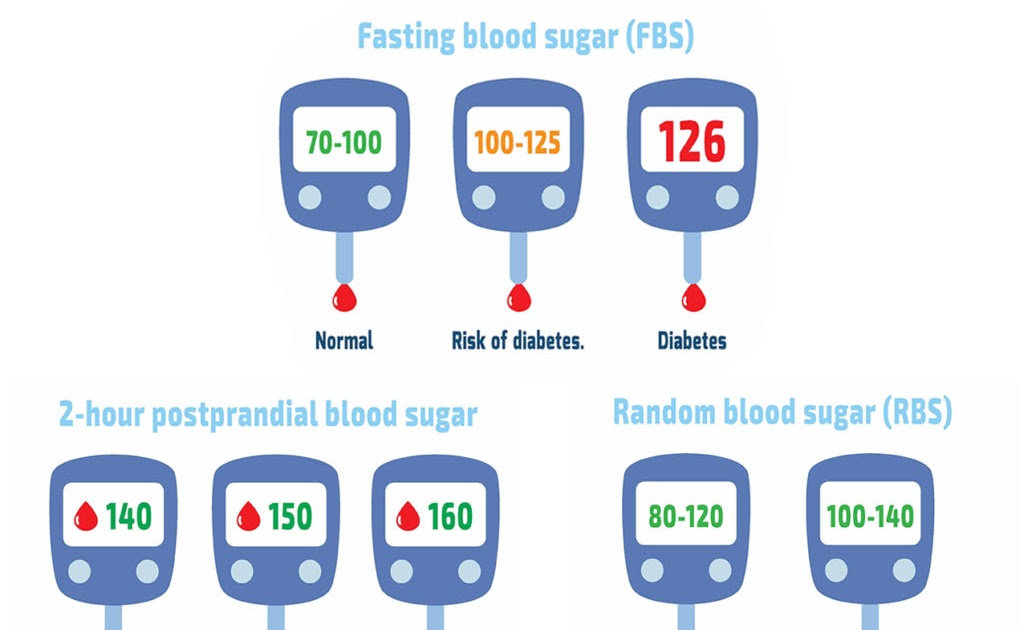
Blood Glucose After Eating Chart - DiabetesInfoDigest.com
 www.diabetesinfodigest.comWhat Should Be The Blood Sugar Levels - YouTube
 www.youtube.comlevels
Blood glucose after eating chart. Pin on diabetes information. When should i check my blood sugar levels?